
MIMIR – Exploring the Molecular Imprint of Microbe-Induced Plant Resistance in Plant-Associated Communities
(101124883; DOI: 10.3030/101124883)
Funded by the European Research Council (2024-2029)
Understanding microbe-induced plant resistance in agroecosystems
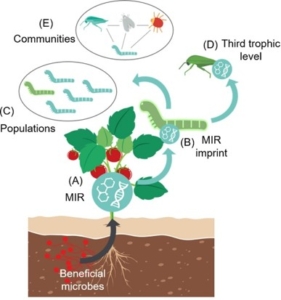
Plant-beneficial microbes have the potential to enhance plant immunity against insects, a phenomenon known as microbe-induced plant resistance (MIR). In plants, this influences insect herbivores and may extend to plant-associated communities. However, current research overlooks the impact of MIR on the trophic chain. The ERC-funded MIMIR project investigates how plant MIR is transmitted and integrated into agroecosystems, opening up new avenues for research. It will use a multidisciplinary approach to address three primary challenges: understanding the molecular regulation of MIR in insect herbivores, examining how MIR extends to the third trophic level, and assessing the impact of MIR on the rhizosphere microbiome. The project provides insights into species interactions within complex systems.
Research team
PI: Ainhoa Martínez Medina PhD.
Further researchers: Iván Fernández López PhD., Francisco J. Colina Ruiz Ph.D., Ana María Jimenez Jimenez PhD., Beatriz Romero Rodríguez PhD., Alegría Pérez Guillén MSc., Sara Comerón Tabernero MSc., Isabel Jiménez Romero.
This project has received funding from the European Research Council (ERC) under the European Union’s Horizon Europe research and innovation programme (grant agreement No. 101124883).

FineMIR – Fine-tuned regulation of plant defenses by IR eliciting symbionts
(PID2024-162058OB)
Funded by the Spanish Ministry of Science and Innovation (2025-2027)
Plant-beneficial microbes have the potential to enhance plant immunity against insects, a phenomenon known as microbe-induced plant resistance (MIR). Our previous results show that MIR is an efficient tool to add to integrated pest management programs in horticulture. However, substantial knowledge gaps remain, hindering the full potential of MIR as a pest management tool. FineMIR aims to address these gaps by leveraging our previously generated omics data and established plant-microbe-insect bioassays. Our overall goal is to refine our understanding of the complex regulation of plant defenses mediated by MIR. Specifically, we will focus on key regulatory components involved in MIR onset, systemic signaling, and display, as well as its impact on herbivorous pests (second trophic level) and their natural enemies (third trophic level). By employing comprehensive bioassays and cutting-edge molecular techniques, FineMIR will provide a deeper understanding of the mechanistic basis of MIR, and its long-term impacts on herbivore pests. Ultimately, FineMIR will yield crucial insights for the optimization of MIR as a sustainable alternative to chemical pesticides, paving the way for more environmentally friendly crop protection strategies
Research team
PI: Ainhoa Martínez Medina PhD (PI1). María José Pozo Jiménez PhD (PI2).
Further researchers: Iván Fernández López PhD., Francisco J. Colina Ruiz Ph.D.
Grant PID2024-162058OB funded by MICIU/AEI/ 10.13039/501100011033 and by ERDF/EU

Understanding the role of a novel HD-ZIP transcription factor in microbe-induced plant resistance to insect pests
(AMMI01)
Funded by the Spanish Research Council (2025-2026)
Certain beneficial soil microbes can enhance plant immunity against pests, a phenomenon known as Microbe-Induced plant Resistance (MIR). Our previous research has demonstrated that MIR is a promising biotechnological tool for integration into horticultural pest management programs. Despite significant recent advances in understanding MIR, important knowledge gaps remain, particularly regarding the molecular regulatory mechanisms underlying its function. These gaps limit the full exploitation of MIR as a sustainable pest management strategy. Through analysis of our omics datasets, we have identified a Homeodomain-Leucine Zipper (HD-Zip) transcription factor (TF) as a potentially novel component involved in regulating MIR. Interestingly, this TF is also induced in response to nitrogen (N) starvation, suggesting it may act as a convergence point between MIR and N-starvation signaling pathways. Our prior findings have shown that nutrient availability, including N levels, influences MIR. However, the molecular mechanisms linking these two processes remain unclear. We hypothesize that this HD-Zip TF is a novel regulator of MIR and functions as a key integrator of plant responses to both microbial signals and nutrient stress. The primary objective of this project is to characterize the role of this HD-Zip TF in MIR and N-starvation responses, and to uncover the molecular link between these two processes. To achieve this, we will adopt a multidisciplinary approach combining molecular biology and genomics, with insect performance bioassays under greenhouse conditions. The outcomes of this study will provide new insights into the regulation of MIR and contribute to the development of more effective, sustainable agricultural practices by optimizing the use of microbe-induced resistance.
Research team
PI: Ainhoa Martínez Medina PhD.
Grant AMMI01 funded by the Spanish Research Council
RESISBIOMA – INDUCING TOMATO RESISTANCE AGAINST INSECT PESTS BY SOIL MICROBIOME MANAGEMENT
(2022-2025)
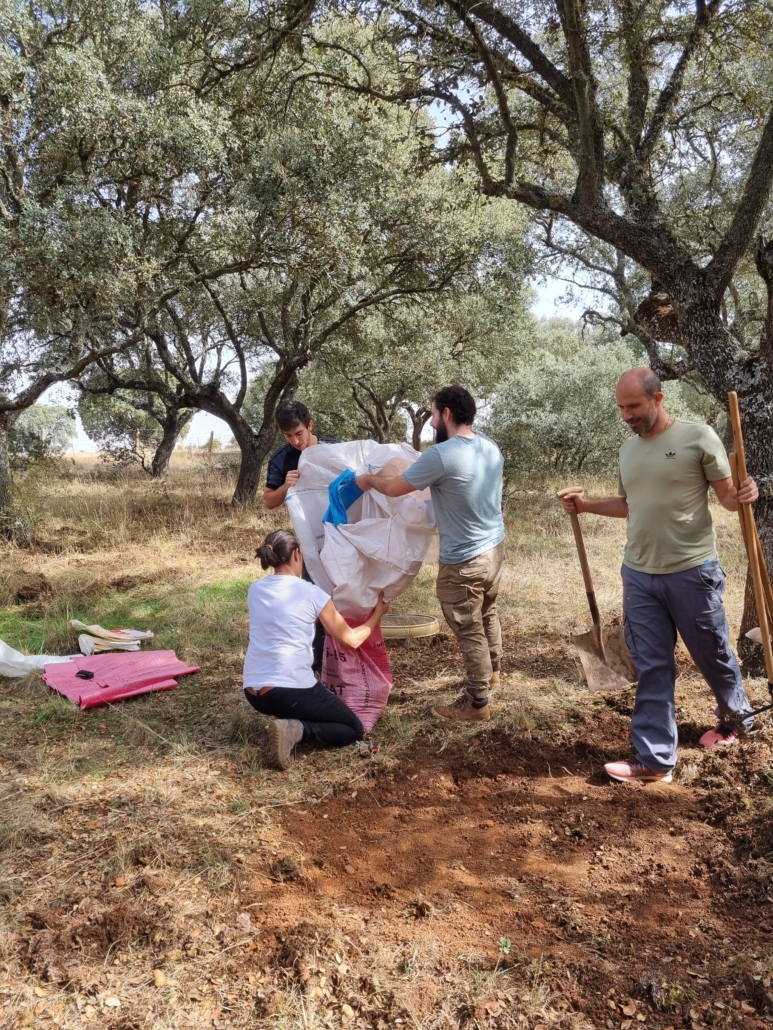
The overall aim of RESBIOMA is to gain knowledge on the role of the soil microbiome as a whole, instead of single species/strains, as an integral part of the plant immune responses against insect pests. By making use of a combination of plant-microbiome-insect-based mesocosms, integrative multi-omics high-throughput techniques, plant functional genomics, and metagenomics RESBIOMA addresses (1) the impact of steering soil microbiomes on tomato resistance to herbivory; (2) the molecular mechanisms driving microbiome-induced resistance to pests in tomato and (3) the relation of microbiome-induced resistance functions with certain microbial groups.
Research team
PI: Dra. Ainhoa Martínez Medina
Further researchers: Dra. Guadalupe Zitlalpopoca Hernández; Pablo M. Rodríguez Blanco; Dr. Iván Manuel Fernández López; Gloria González Holgado.
Grant PID2021-128318OA-I00 funded by MICIU/AEI/ 10.13039/501100011033 and by ERDF/EU
DISENTANGLING THE MECHANISMS DRIVING MICROBIOME-INDUCED PEST RESISTANCE
Funded by the Spanish National Research Council (2022-2025)
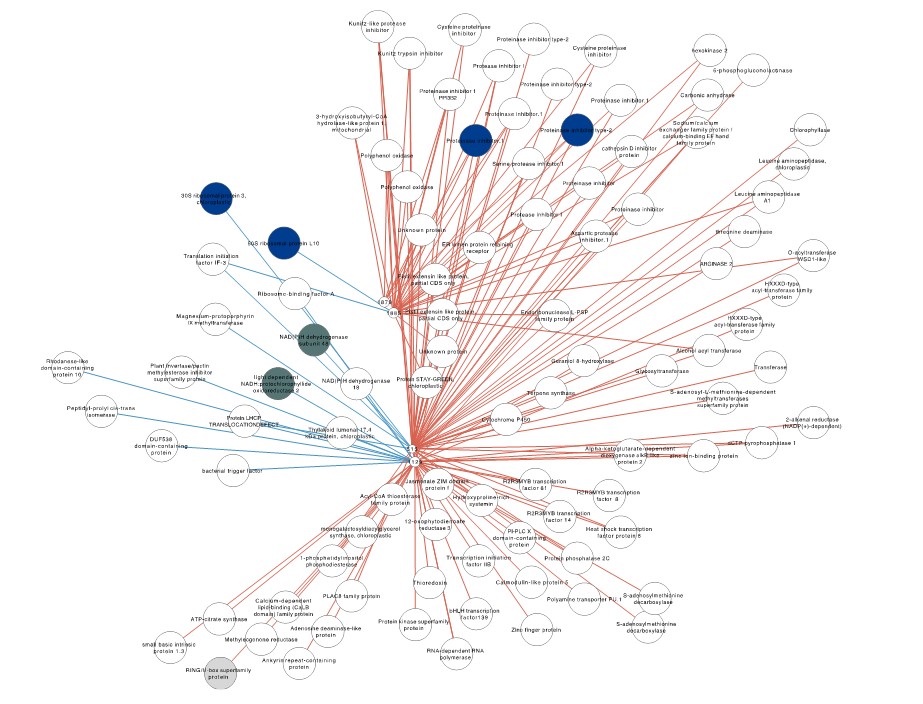
The main objective is to uncover novel key elements of the plant immune system involved in microbe-induced plant resistance (MIR) functioning in tomato; and to model tomato MIR to pests. We make use of a unique combination of integrative multi-omics high-throughput techniques, bioinformatics, functional genomics, and machine learning approaches.
Research team
PI: Dra. Ainhoa Martínez Medina
Further researchers: Dr. Pedro López Gómez; Dr. Iván Manuel Fernández López; Gloria González Holgado.
TOWARDS IDENTIFYING COMMON PATTERNS OF MICROBE-INDUCED PLANT RESISTANCE AGAINST INSECT PESTS
Funded by the Biotechnology and Biological Sciences Research Council (2022-2026)
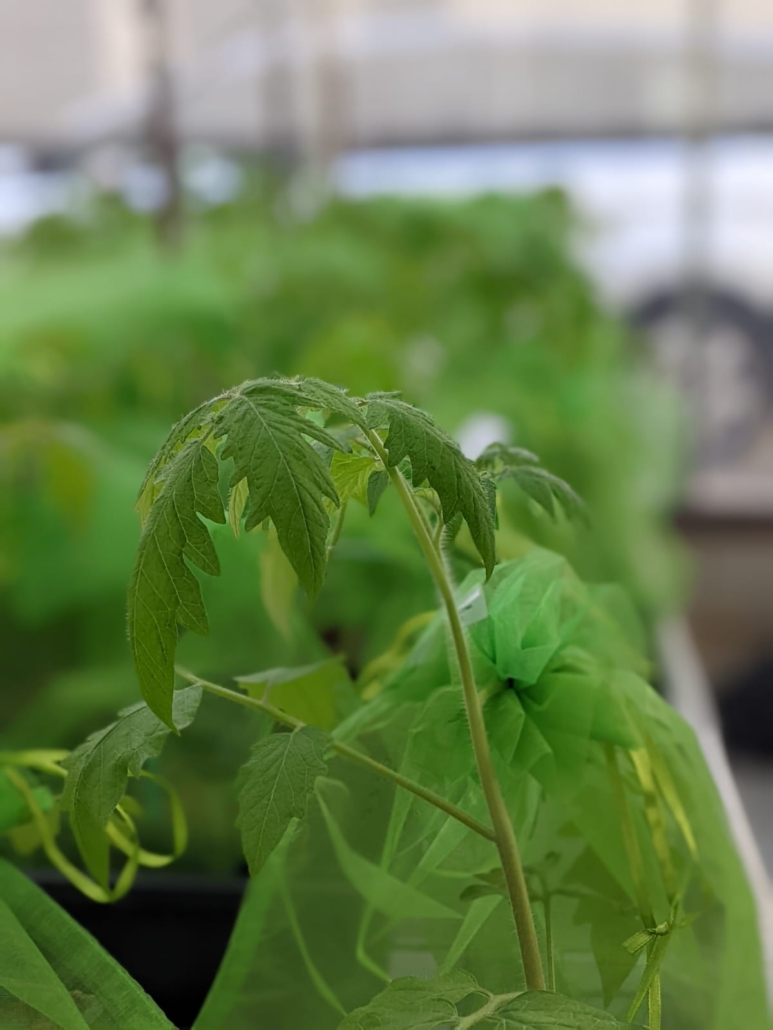
The main objective is to synthesize and integrate available ‘omics data (at transcriptomic and metabolomic levels) among the collaboration partners to test the hypothesis that there are common plant mechanistic patterns of microbe-induced plant resistance (MIR) across multiple crops, microbes, and insect pests.
Research team
Coordinator: Dra. Sharon Zytynska (University of Liverpool)
PIs of the Spanish Team: Dra. Ainhoa Martínez Medina and Dra. Maria J. Pozo
