
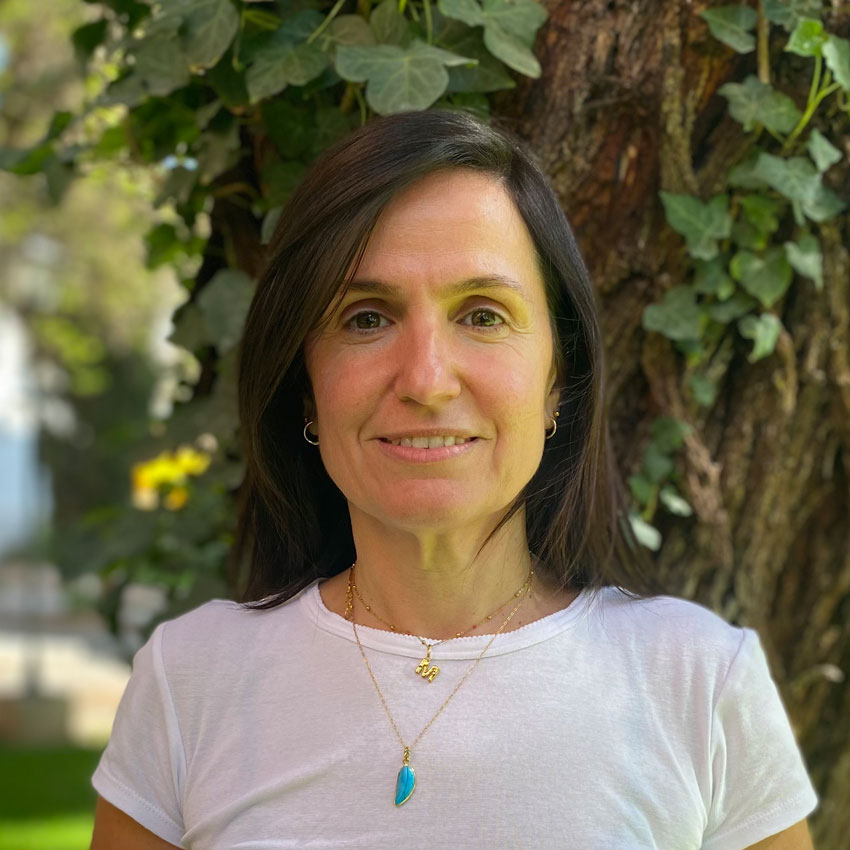
Ainhoa Martínez Medina
Leader of the Molecular Agroecology Lab
I have focused my career on understanding how beneficial microbes in the rhizosphere microbiome boost plant immunity and thereby stimulate plant health. After obtaining my PhD (CEBAS-CSIC, Spain), I moved to the lab of Dr Pozo (EEZ-CSIC, Spain) as a Postdoctoral Researcher, and later to the lab of Prof. Pieterse, at Utrecht University as a Marie Curie Postdoctoral Fellow (The Netherlands). I investigated molecular mechanisms of the plant immune system underlying Microbe-Induced plant Resistance (MIR). Later, as a Project Leader, I joined the group of Prof. van Dam at iDiv (Germany), where I focused on molecular ecology of MIR. Between 2019 and 2023, I secured an Attraction of Talent Grant, that allowed me to incorporate as a Junior Group Leader at IRNASA-CSIC (Spain), I got a Ramón y Cajal contract (2021) and I was promoted to Tenured Scientist (2023). In 2024 I was awarded a ERC consolidator grant (MIMIR). Currently, I am the leader of MOLECOLAB at the EEZ-CSIC.
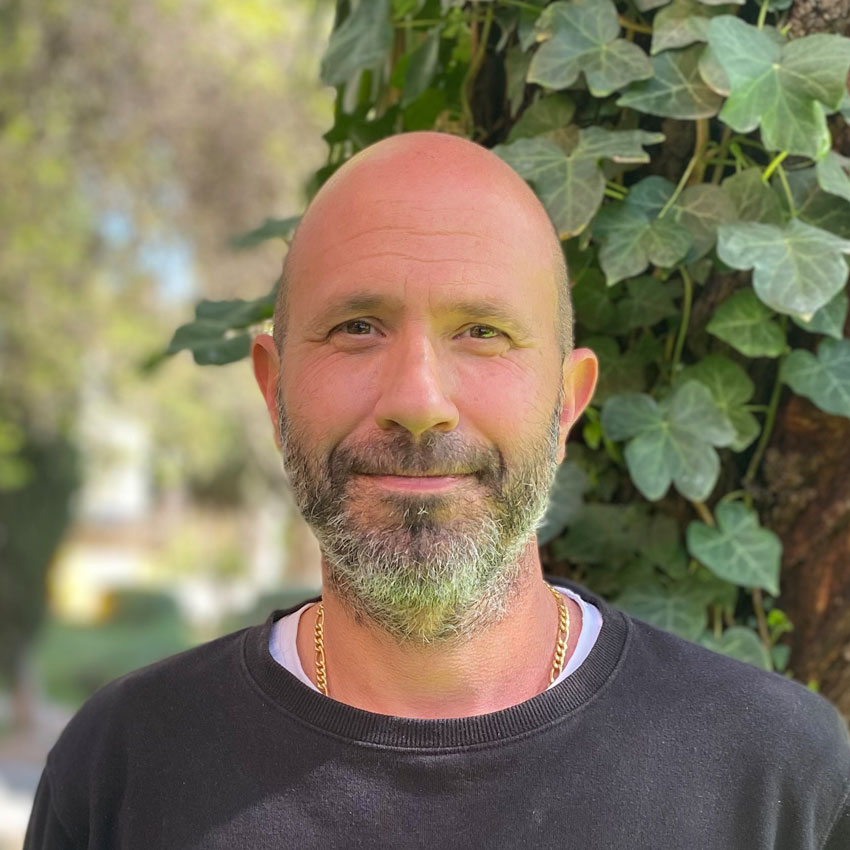
Iván Manuel Fernández López
PostDoctoral Researcher – Lab Manager
I am interested in plant interactions with beneficial microbes, especially in the establishment and functioning of the mycorrhizal symbiosis. After obtaining my Ph.D. under the supervision of Dr. Pozo (2013, EEZ-CSIC), I moved to the lab of Prof. Pieterse as a Marie Curie Postdoctoral Fellow (Utrecht University, The Netherlands). Later, I joined as a postdoctoral researcher to the lab of Prof. Buscot (UFZ/iDiv, Germany). I joined to MOLECOLAB in 2019. Since 2022, I become the leader of a new platform within the IRNASA-CSIC involved in “Omics Science, Bioinformatic and Plant Gene Editing by CRISPR-CAS”. In 2024 I incorporated to the EEZ-CSIC, I am currently applying integrative multi-omics approaches (transcriptomics, metabolomics, and proteomics) to uncover novel elements of the plant immune system involved in induced pest resistance by beneficial microorganisms.
Pablo M. Rodríguez Blanco
Ph.D. Candidate
I obtained my Ms.C. in Biostatistics at Universidad Complutense de Madrid (UCM). During my Ms.C. I focused on understanding the statistical methods underlying microbiome analysis and developing new tools for the analysis of soil microbiomes. In 2022, I joined to MOLECOLAB as a Ph.D. Candidate. In my Doctoral Thesis, I explore how aboveground herbivory shapes the rhizosphere microbiome, and also the role of microbial legacies in plant resistance to insect pests.
Grant PRE2022-101400 funded by MICIU/AEI /10.13039/501100011033 and by FSE+

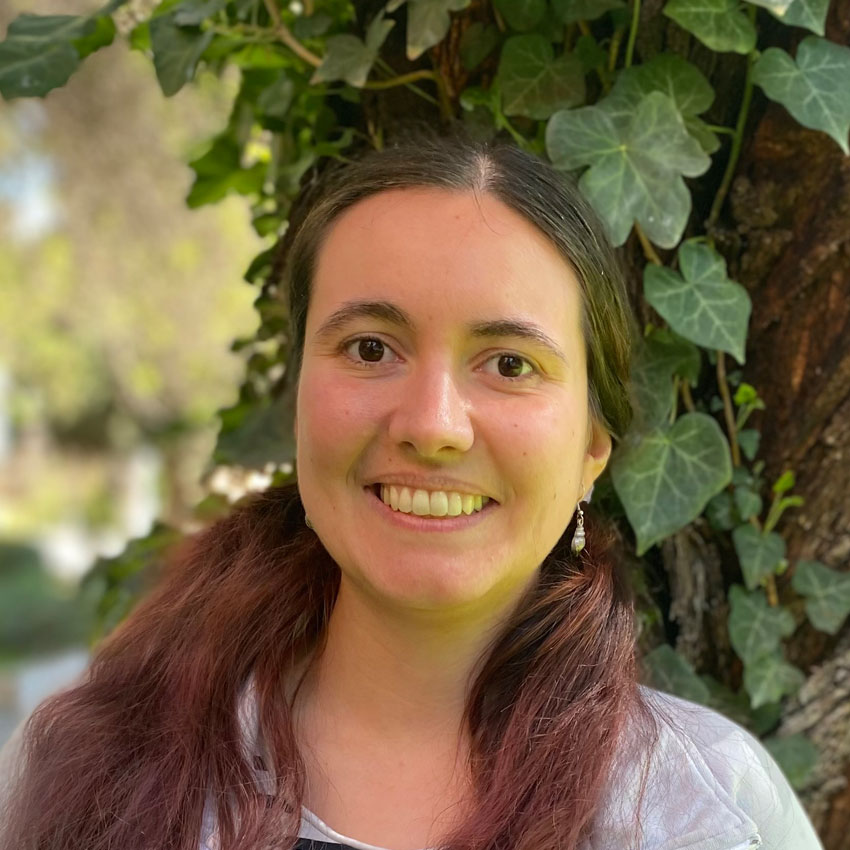
Alegría Pérez Guillén
PhD. Candidate
After obtaining the Bachelor’s Degree in Biology from the Universidad Autónoma de Madrid (UAM), I started an internship with the Erasmus+ programme, at the Biology Centre CAS, in the lab of Dr. Michael Wrzaczek. I also continued working there while doing my Master’s Thesis (Master in Biomolecules, at UAM). During the internship, I tested the interaction between different kinases. In 2025, I joined MOLECOLAB as a Ph.D. Candidate. For my doctoral research, I will focus on exploring how and to what extent MIR responses, elicited in plants, are transduced and incorporated in surviving insect herbivores as a MIR imprint; and transferred during the insect life cycle and to herbivore progeny.
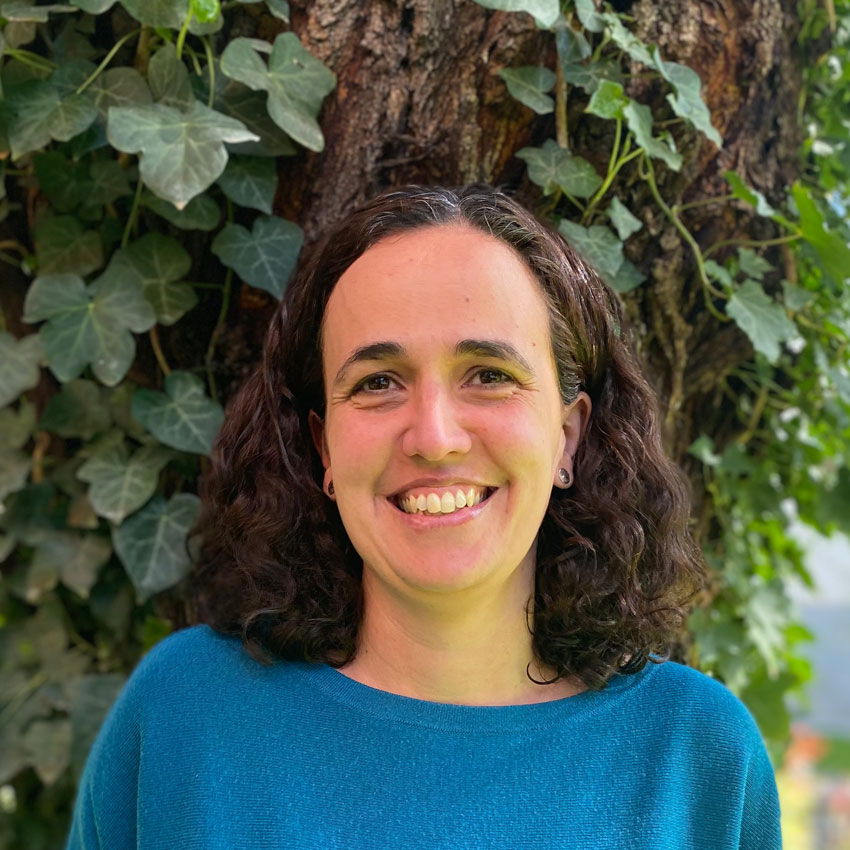
Ana María Jiménez Jiménez
Postdoctoral researcher
I completed a Bachelor’s degree in Biochemistry and a Master’s degree in Agriculture Biology and Aquaculture from the University of Granada. After completing my Master’s, I began working in the Department of Soil Microbiology and Symbiotic Systems at the Estación Experimental del Zaidín (CSIC), where I spent five years focusing on soil-plant-microbe interactions. I later moved to the Czech Republic to pursue a PhD in Agricultural Chemistry at Mendel University in Brno, under the supervision of Professor Vojtěch Adam at the Department of Chemistry and Biochemistry. Afterwards, as a postdoctoral researcher, I joined the Molecular Biology and Nanomedicine research group at the same Department. My work concentrated on studying the biological effects of metallothionein genes in cancer cell lines using CRISPR/Cas9 technology. Throughout my academic career, I have been actively involved in mentoring bachelor’s and master’s students, training them in molecular biology, microbiology, and biochemistry techniques. This role allowed me to gain practical teaching and mentoring experience. In October 2024, I joined MOLECOLAB, and since then, my work has been focused on a phenomenon known as Microbe-Induced Plant Resistance (MIR), where plant-associated beneficial microbes can induce an enhanced defensive capacity, protecting them against a broad spectrum of microbial pathogens and insect herbivores. The possibility of returning to a field closely related to my initial studies in soil-plant-microbe interactions has been valuable, providing an opportunity to apply a wide array of advanced techniques and knowledge to further improve and advance this field.
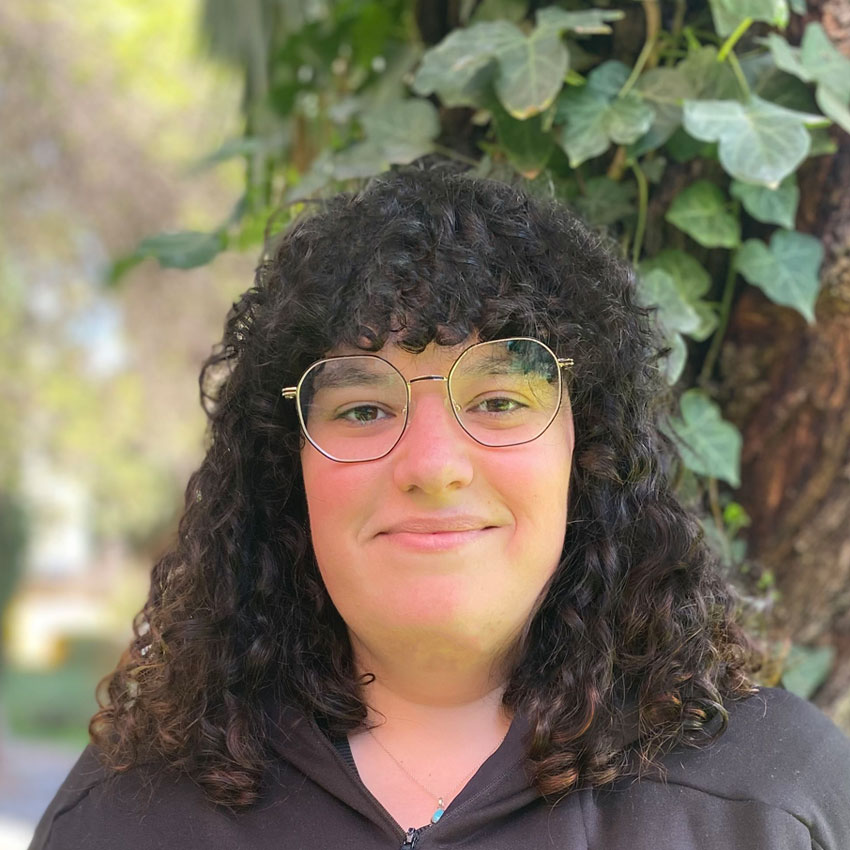
Beatriz Romero Rodríguez
Postdoctoral researcher
Throughout my career, I have focused on unraveling the regulatory mechanisms governing plant interactions with insects and microbes, including both beneficial organisms and pathogens. I hold a Biology degree (2012-2016) and a Master’s in Advanced Biotechnology (2016-2017) from the University of Málaga. I completed my PhD (2017-2023) at the IHSM-UMA-CSIC under the supervision of Dra. Araceli Castillo and Dr. Eduardo R. Bejarano, investigating genetic and epigenetic mechanisms in geminivirus-host interactions using multi-omics approaches in the tomato-TYLCV system. Additionally, I explored resistance determinants in tomato and the seed transmission of geminiviruses in tomato and melon. During my formation, I also had the opportunity to conduct a research stay at the ZMBP in Tübingen, Germany.
As a postdoctoral researcher at EEZ-CSIC, I am working to identify key components of the plant immune system involved in microbe-induced plant resistance (MIR) in tomato. My research integrates high-throughput multi-omics techniques, bioinformatics, and functional genomics to model tomato MIR against pests.
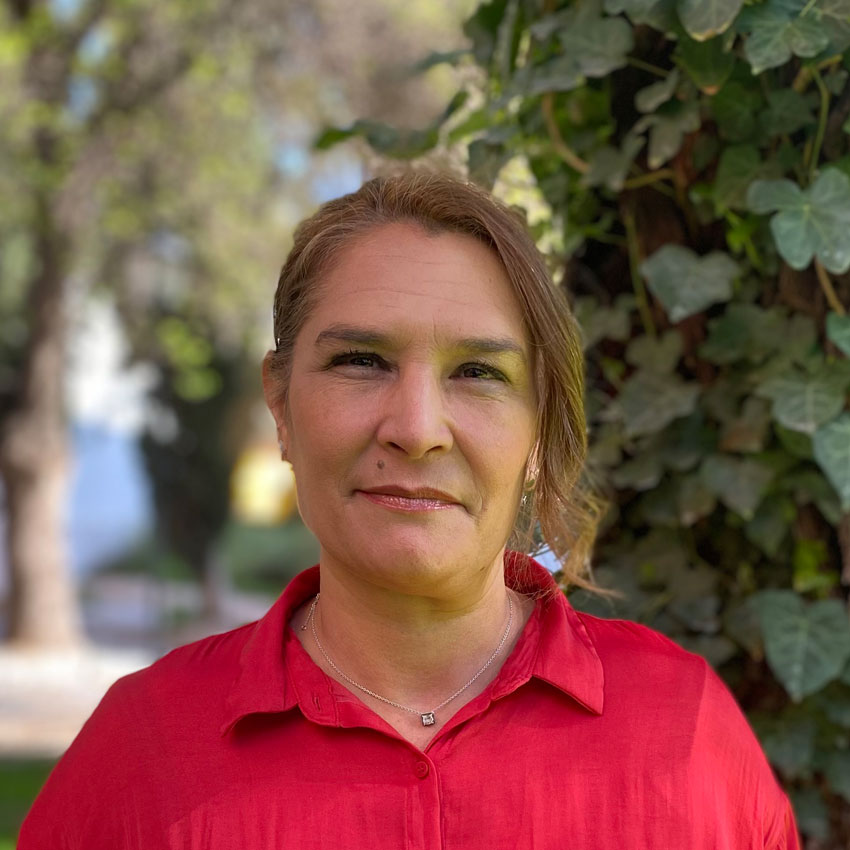
Isabel María Romero Jiménez
Laboratory technician
During my career at the EEZ, I have worked in the Sustainable Ruminant Production group, gaining experience in rumen ecology and the interaction of microbiota with the ruminant immune system. There, I applied molecular biology techniques to identify key microbial groups. Since September 2024, I have been part of the Molecolab group, where I am learning new techniques and working with plants and insects. I assist the research team with molecular biology, microbiology, and chemical analysis techniques, and I am currently responsible for maintaining the insect colonies in the newly established insectary.
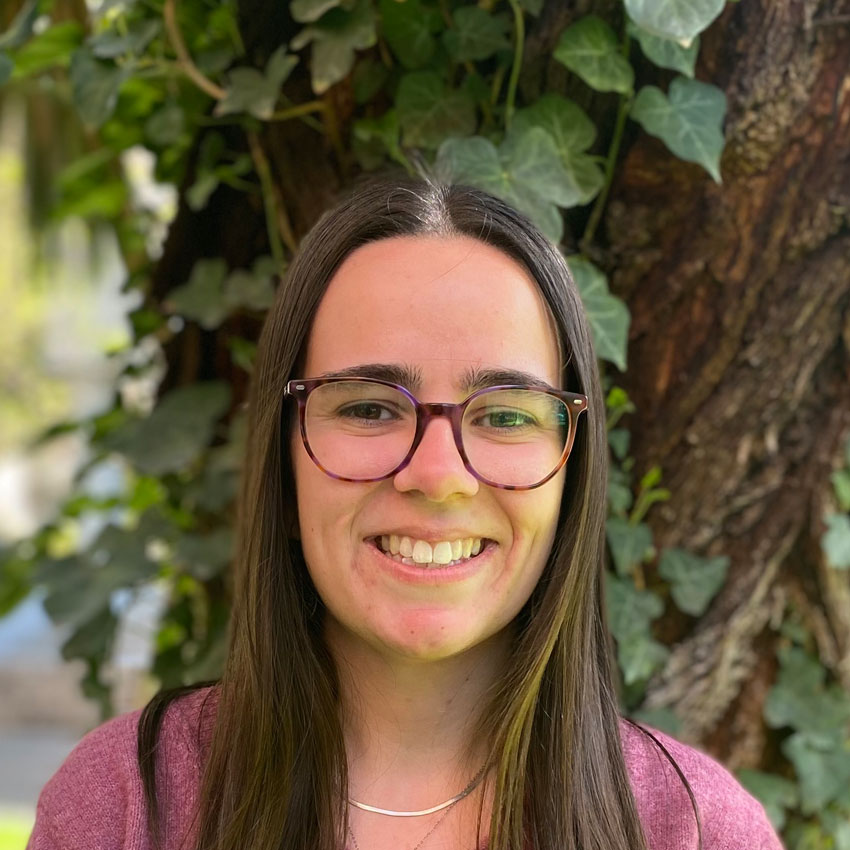
Sara Comerón Tabernero
PhD. Candidate
My primary research interest focuses on unraveling complex regulatory mechanisms of plant-insect-microbe interactions. I completed my BS (Biologist) and advanced studies (Molecular Genetics and Microbiology) at the University of Salamanca. I am a specialized Technician at CSIC, with over 20 years of experience applying cutting-edge molecular techniques for the study of microorganisms at molecular and cellular level. In January 2022, I joined to MOLECOLAB, and since then, I am applying transcriptomics, proteomics, metabolomics and functional genomics to uncover the mechanisms of plant defenses against insect pests.
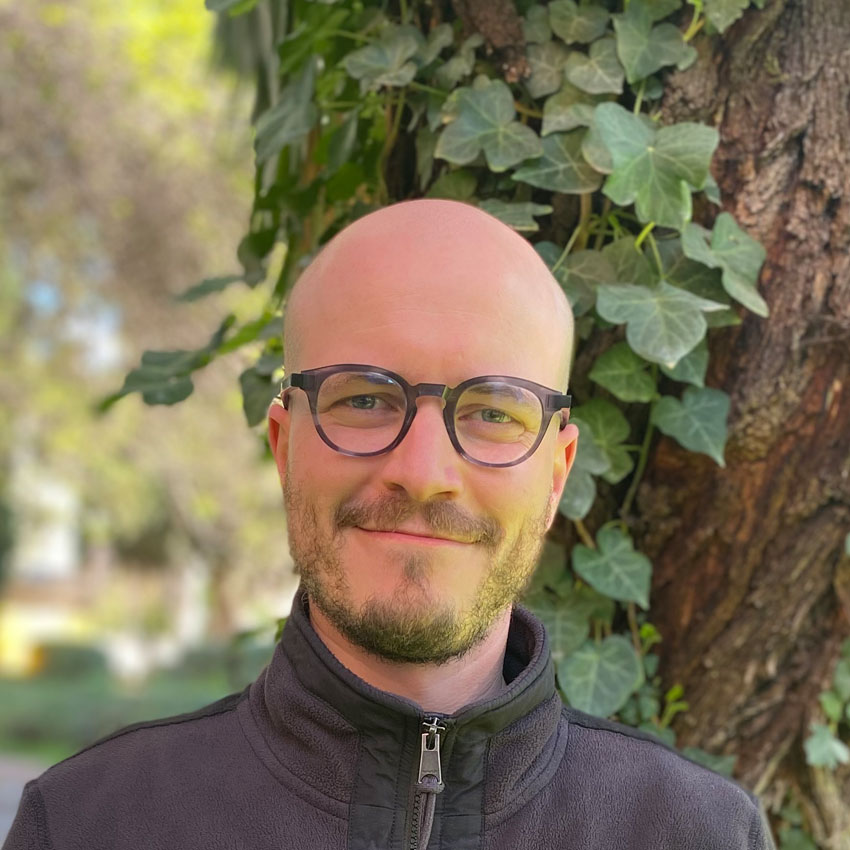
Francisco J. Colina Ruiz
Postdoctoral researcher
I am fascinated by the mechanisms that allow plants to perceive and respond to their environment. Trained as both a plant molecular biologist and a bioinformatician, I am particularly interested in signalling mechanisms and their system-level impact. After completing my PhD on stress responses in microalgae at the University of Oviedo, I joined MOLECOLAB (IRNASA-CSIC) to study plant–beneficial microbe interactions. I later became an EMBO Postdoctoral Fellow in the PlantMolSig group (Czech Academy of Sciences), where I focused on the mechanistic aspects of plant signalling. Since returning to MOLECOLAB at EEZ-CSIC in 2025, my research has focused on microbe-induced resistance (MIR). I combine systems-level and mechanistic approaches to understand how MIR operates and how it shapes herbivore insect populations.
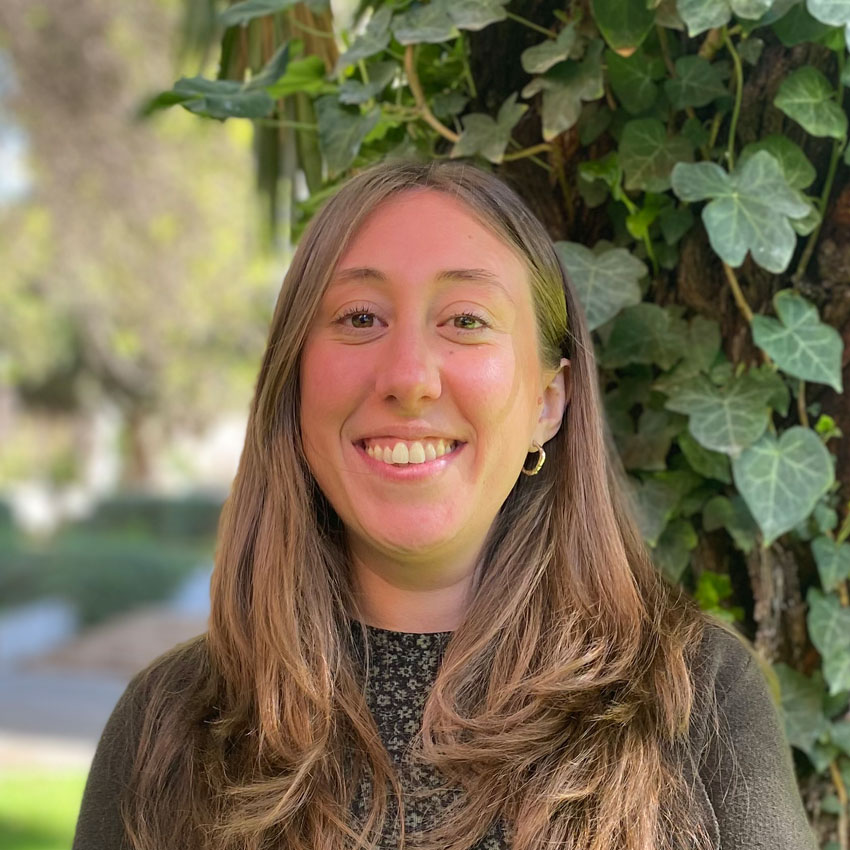
María Carbó Muñoz PhD.
Postdoctoral researcher
My research focuses on how epigenetic mechanisms enable organisms to become resilient to environmental change. In particular, I study how signaling pathways regulate chromatin modifiers to adjust chromatin states and drive acclimation to new environments.
I obtained my PhD at the University of Oviedo under the supervision of Dr. Luis Valledor and Prof. María J. Cañal, supported by a Severo Ochoa predoctoral fellowship (Principality of Asturias). During my PhD, I studied how DNA methylation drives stress acclimation in microalgae. Afterward, I joined the lab of Dr. Iva Mozgová at the Czech Academy of Sciences as a postdoctoral researcher, funded by the Programme of Support of Promising Human Resources (PPLZ, Czech Academy of Sciences). There, I investigated how TORC signaling modulates chromatin modifiers and histone modifications to reshape chromatin states and transcriptional programs in microalgae in response to metabolic signals. I am currently a Juan de la Cierva fellow at MolEcoLab (EEZ-CSIC; Spanish MICIU, AEI, and ESF+), where my research explores how chromatin regulation contributes to microbe-plant-insect interactions.
Grant JDC2024-054242I funded by MICIU/AEI /10.13039/501100011033 and by FSE+
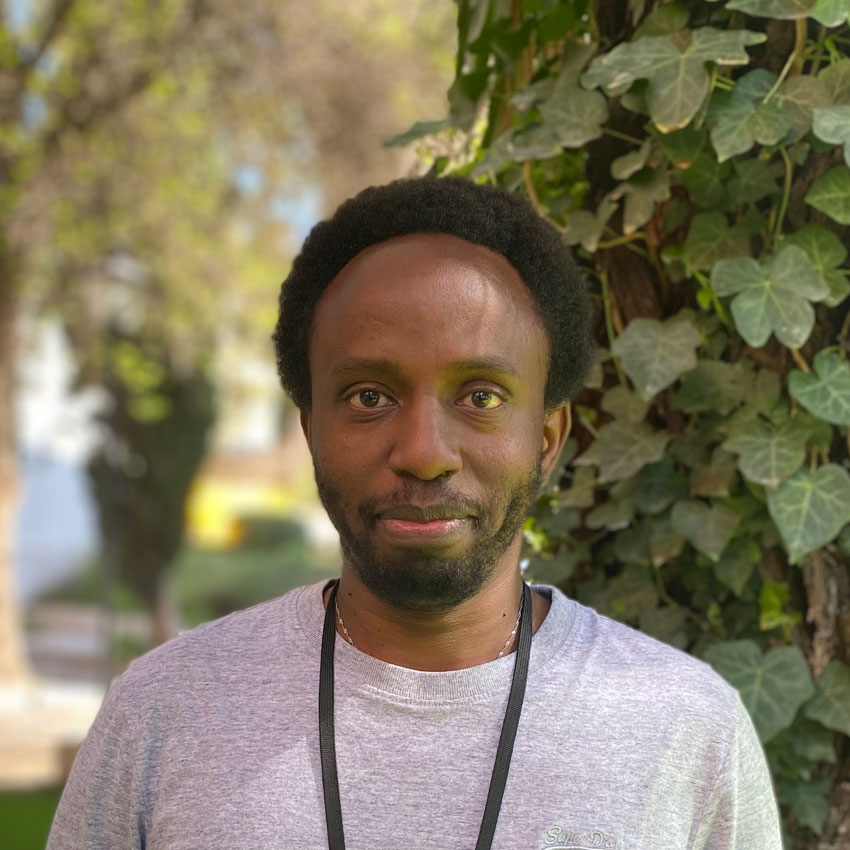
Crispus Mblauto PhD.
Postdoctoral researcher
I am a molecular agroecologist, interested in understanding how plants interact with the environment, with goal of using the knowledge to advance sustainable and resilient agri-food systems. My research focuses on discovering novel elements of plant immunity that shape plant-mediated interactions between the organisms associated with roots (particularly beneficial soil microbes and herbivores) and those found on shoots (mainly insect herbivores). By linking the molecular mechanisms that occur inside the plants with the broader ecological outcomes, my work contributes to agricultural strategies that can be exploited for pest management, reduce reliance on chemical inputs and promoting sustainable agri-food systems.
I earned my BSc, & MSc (Biotechnology) from Kenyatta University in Kenya, and completed PhD (ecology) under supervision of Prof. Nicole van Dam at the German Centre for Integrative Biodiversity Research (iDiv) and affiliated to the Friedrich-Schiller University-Jena, in Germany. Since then, I have undertaken two postdoctoral projects (i) University of Liverpool (Dr. Sharon Zytynska’s Lab) investigating plant-microbe-herbivore interactions, and (ii) University of Essex (Dr. Pallavi Singh Lab) utilizing embryonic monocot grafting as a tool to develop stress resilient cereal crop system.
This researcher has received funding from the European Union’s Horizon Europe research and innovation programme under the Marie Skłodowska-Curie grant agreement No.101210214.
Former Group Members
Pedro López Gómez
Current position: Head of R&D. Ticare implants, Spain.
Guadalupe Zitlalpopoca Hernández
Current position: Researcher. IIES-UNAM, México.
Mª Gloria González Holgado
Current position: Senior technical specialist. IRNASA-CSIC, Spain.
